
Ukraine's New Long-Range Strike Command
Targeting Russia's Strategic Rear

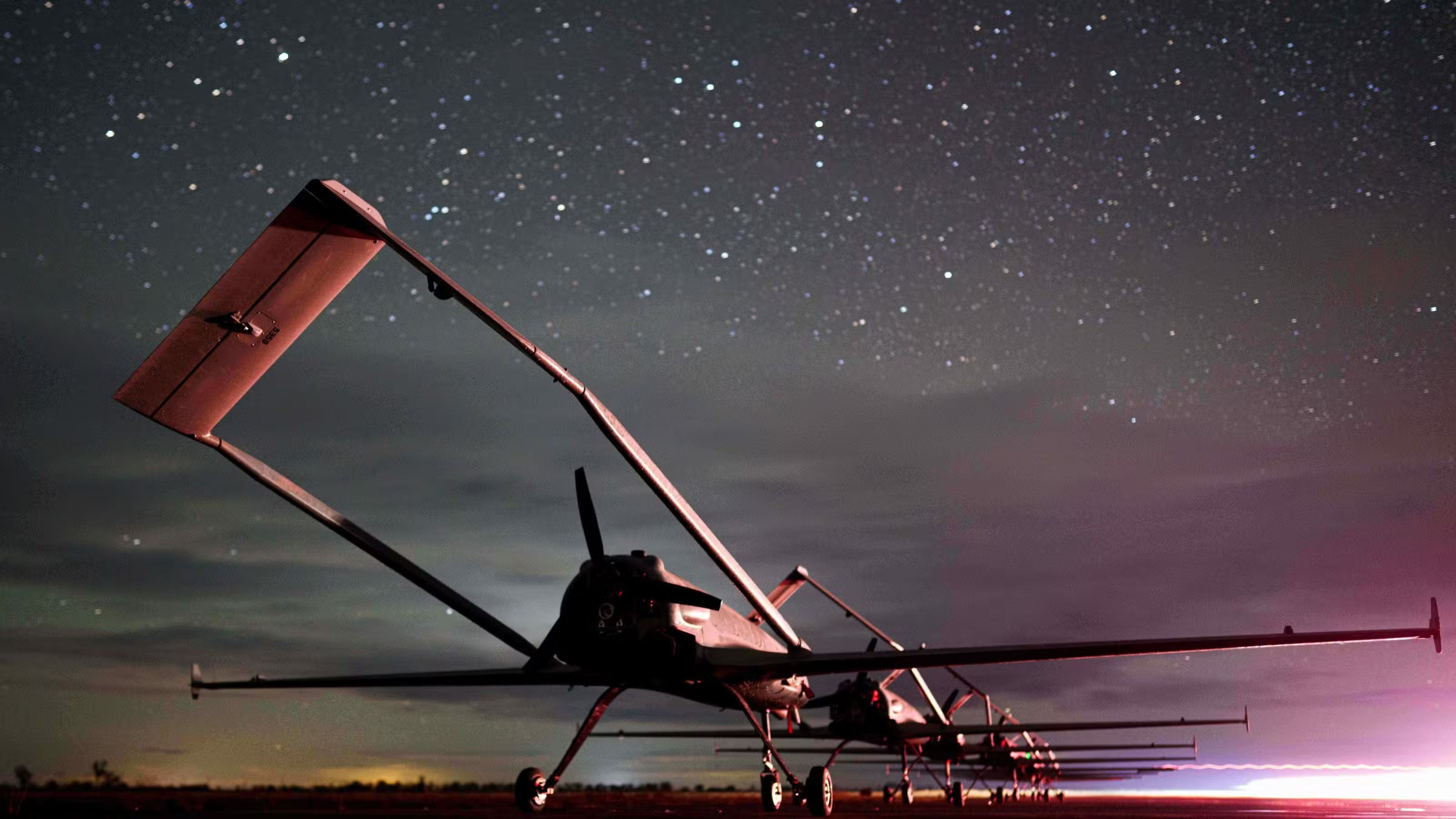
image: Long-range drones An-196 Liutyi of the Ukrainian 14th Separate Unmanned Aerial Systems Regiment stand in line before takeoff in undisclosed location, Ukraine, Tuesday, Oct. 14, 2025. (AP Photo/Evgeniy Maloletka)
CONTENT
Why Ukraine Created the Long-Range Strike Command
Operational Planning
Key Targets for Ukraine’s Deep Strikes
Which units will be incorporated into the command?
Analysis
On July 10, President Volodymyr Zelenskyy signed a decree establishing the Long-Range Strike Command within the Armed Forces of Ukraine.
The new command will consolidate all of Ukraine’s long-range strike capabilities under a single structure to target the infrastructure and assets that sustain Russia’s war against Ukraine.
“Today, I signed a decree establishing a special command within the Armed Forces—the Long-Range Strike Command, designed to deliver what is effectively a global impact on Russia for this war,” Zelenskyy said.
According to Zelenskyy, the new command will be responsible for integrating and employing all available long-range strike resources as efficiently as possible.
“This command must concentrate 100% of the available resources to further reduce Russia’s capacity to wage war,” he stated.
Zelenskyy did not announce who will lead the new command but said it will be headed by an experienced military officer.
Why Ukraine Created the Long-Range Strike Command
According to the spokesperson for the General Staff of the Armed Forces of Ukraine, Dmytro Lykhovii, Ukraine has long been conducting systematic strikes against Russian targets across the full depth of its operational and strategic rear, and those efforts continue to expand.
“This is precisely why the decision was made to elevate the organization of these operations to a fundamentally new level,” Lykhovii said.
In practical terms, the various military units responsible for conducting Deep Strike operations against targets inside Russia will now be unified under a single command, improving coordination, planning, and the integration of Ukraine’s long-range strike capabilities.
Operational Planning
The new command will oversee a joint, interagency grouping of Ukraine’s Defense Forces operating under a unified concept of operations and a single campaign plan.
The new structure is expected to:
Improve the planning and coordination of long-range strikes.
Increase the efficiency of employing long-range precision strike assets.
Enhance the effectiveness of both individual strikes and broader, sustained strike campaigns.
Consolidating all long-range strike capabilities under a single command and control structure will allow Ukraine to transition from conducting isolated precision strikes to executing a coherent, long-term strategic campaign.
“This will enable the systematic and comprehensive targeting of the most critical elements of the enemy’s military and economic potential, achieving effects that cannot be attained through the fragmented use of individual forces and assets,” Lykhovii said.
According to Lykhovii, the creation of the Long-Range Strike Command is a response to the rapid expansion and increasing scale of Ukraine’s Deep Strike operations
Key Targets for Ukraine’s Deep Strikes
Ukraine’s long-range strike capabilities systematically target and destroy:
Russia’s military infrastructure;
logistics routes and command-and-control centers;
defense-industrial enterprises;
oil production and refining facilities that finance Russia’s war machine.
Which units will be incorporated into the command?
The Long-Range Strike Command will include selected long-range strike drone units, missile forces, and uncrewed maritime systems, along with the support, logistics, and maintenance units required to sustain their operations.
Importantly, this is not the creation of new military formations. Instead, Ukraine will reorganize its existing command structure by placing some of the Armed Forces’ most capable missile and long-range drone units under a single headquarters.
The command will also be augmented by operationally attached strike drone units from other branches of Ukraine’s Defense Forces, allowing capabilities from across the military to be integrated into a unified long-range strike campaign.
This restructuring is also expected to reduce institutional rivalry among the organizations responsible for Ukraine’s long-range strike campaign—including the Defense Intelligence of Ukraine (HUR), the Security Service of Ukraine (SBU), the Unmanned Systems Forces (USF), and other elements of the Defense Forces—by placing their operations under a unified command structure.
Analysis
Long-range strikes have become a cornerstone of Ukraine’s theory of victory, aimed at accumulating sufficient military and economic pressure over time to compel the Kremlin to negotiate. It is therefore unsurprising that the Zelenskyy government is placing special emphasis on increasing the effectiveness of its deep-strike campaign.
The creation of a dedicated Long-Range Strike Command could help consolidate the efforts of the various units conducting deep strikes into a more systematic and coordinated campaign. Since the start of the full-scale invasion, Ukraine’s long-range strike capabilities have evolved exponentially, driven by Kyiv’s early investments in indigenous weapons development. What began as sporadic operations carried out by a handful of specialized units has expanded significantly. Ukraine now fields a much broader range of strike systems, more units are capable of conducting deep strikes, and even corps-level formations are expected to integrate long-range strike assets into their operations.
Furthermore, the creation of the new command, combined with direct attention from President Zelenskyy and the government, is likely to ensure that additional resources are allocated to this capability. This should accelerate the development of new strike systems, increase their availability across the force, and improve coordination, ultimately enhancing both the effectiveness and the intensity of Ukraine’s long-range strike campaign.
Much will depend on who is appointed to lead the command. The commander will need to command the respect of the units already conducting deep strikes and be capable of coordinating their efforts without creating unnecessary bureaucracy or organizational silos. If implemented effectively, the new command could significantly increase the strategic impact of Ukraine’s long-range strike campaign.
…awesome image